


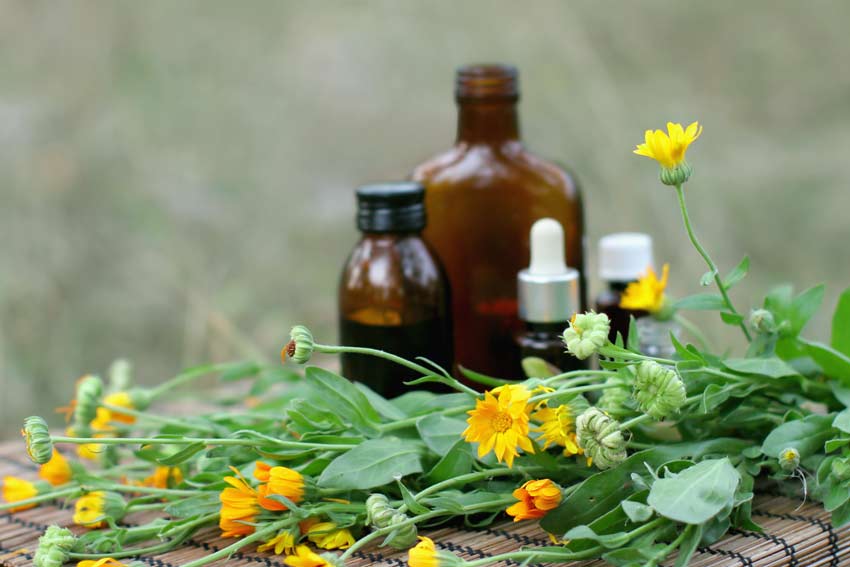
Teaching adults how to collect medicinal herbs and make homemade remedies is relevant for several reasons, spanning health, environmental, and social aspects.
Here is a short list, but you can discover more by following our SIGA projects.
1. Health Benefits & Self-Sufficiency
- Encourages natural, chemical-free alternatives for minor ailments.
- Reduces reliance on pharmaceuticals for common issues like colds, digestion problems, and skin conditions.
- Promotes self-care and well-being through herbal knowledge.
2. Environmental Awareness & Sustainability
- Helps preserve traditional knowledge about local flora.
- Encourages ethical foraging to protect wild plant habitats.
- Reduces waste by making natural remedies instead of buying packaged products.
3. Economic & Practical Advantages
- Saves money on expensive over-the-counter medicines and cosmetics.
- Offers potential for small-scale entrepreneurship in herbal products.
- Utilizes locally available resources instead of imported goods.
4. Cultural & Intergenerational Learning
- Preserves traditional and folk medicine knowledge.
- Encourages intergenerational exchange—elders can share wisdom with younger generations.
- Strengthens community ties through workshops and knowledge-sharing.
5. Mental & Emotional Well-being
- Provides a sense of purpose and connection with nature.
- Engages the elderly in lifelong learning, keeping them mentally active.
- Encourages mindful activities, reducing stress and anxiety.
 Greek (el-GR)